



Priya is on the bridge because the page found her, and the page had to find someone. She writes payments code. She has run an incident before, in the sense that she was on one once, in a corner of it, watching someone else run it.
That someone was an incident commander. The org had two of them. They had seen a thousand of these, enough that the shape of a bad one arrived before the details did, and they knew the sentence that turned a room of frightened engineers into a response. The org has since worked out what two incident commanders cost, and what they cost is more than it will pay to be good at something it hopes to do rarely.
So the bridge is Priya’s. Eleven people are on it and all of them are waiting, because that is what people on a bridge do, they wait to be told, and the person whose job was to tell them is a line that got cut. Priya can see the graphs. She cannot see the second graph, the one the commander would have opened first, because knowing it was there was the ten years.
She asks whether anyone has tried restarting the service. It is a reasonable question. It is the question you ask when you do not yet know the questions. Someone restarts the service.
The incident is forty minutes old. The commander would have closed it in twelve. There is no commander. There is Priya, doing her best, and her best is the best the organisation now has.
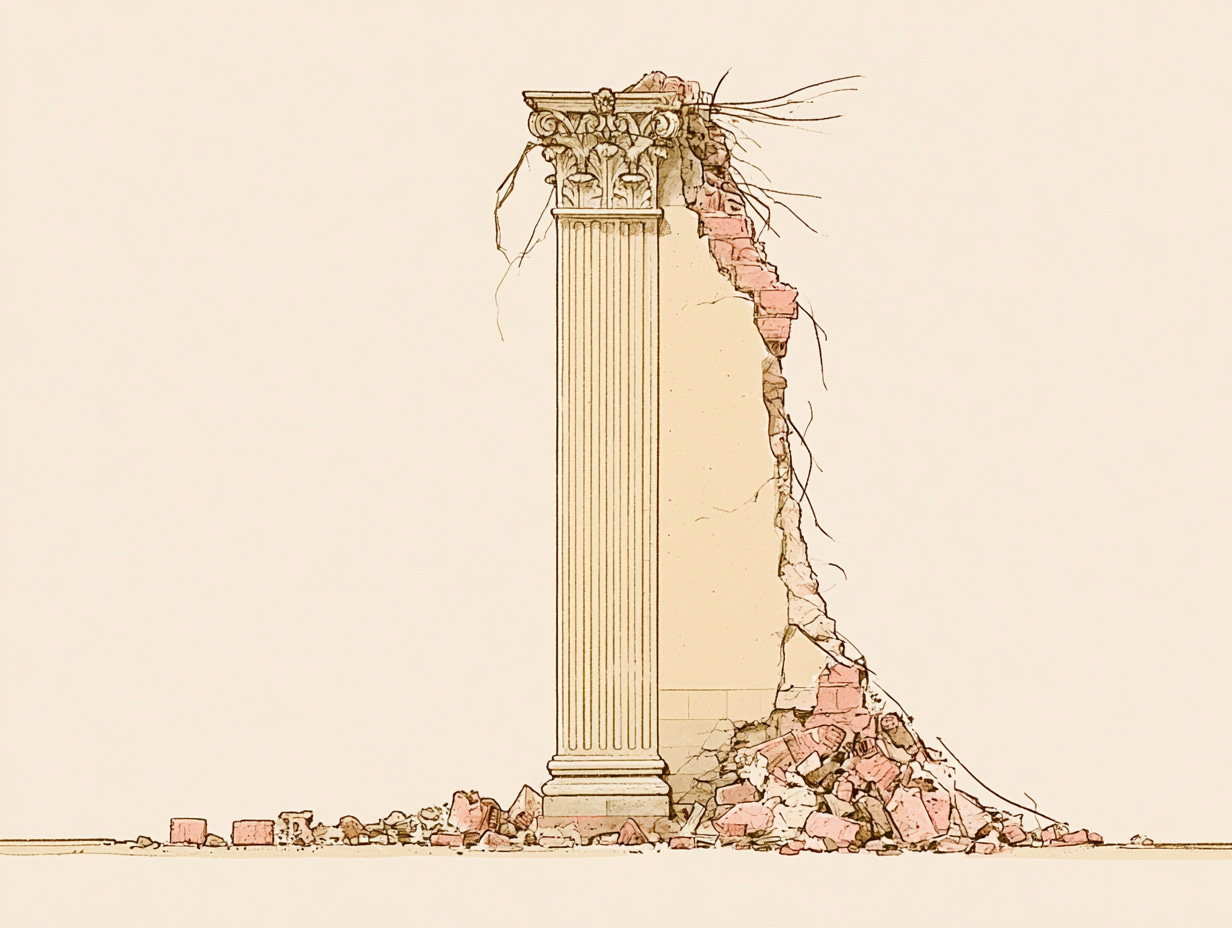
The obvious fix is to write the commander down. If the value is in the ten years, capture the ten years, hand it to Priya, and buy a commander for the price of a wiki page. It does not work, and why it does not work is the whole problem.
The ten years was not a list of what to do. It was a theory of the system held in one head: what kind of incident this was before the details landed, which graph to open first, which sentence steadied the room. You can write the graph down. You cannot write down the reflex that reached for it. What survives the writing-down is residue, the steps and the fields and the template. What does not survive is the theory that produced them.
So you cannot copy the expert, and that leaves hiring them, and here the arithmetic shuts the other door. A commander is a person and a person is a cost, and the cost holds flat while the thing it guards only grows: more services, more releases, more incidents, more bridges needing a someone. Two commanders cover a small org. A large one needs forty, and forty is a number that meets a spreadsheet and does not come back.
Which leaves the median. Not a mistake, not a corner someone cut, the equilibrium the size produces. Past a certain scale the person the page finds is whoever was on call, and whoever was on call is, on average, average. That is where the maturity of the practice now sits.
You would expect size to fix this. More people, more money, more of everything: the large organisation should be able to afford the sophisticated practice the small one cannot. The six-person startup runs incidents out of a chat channel and a shared instinct. The thousand-person company should, by the logic of scale, run them like an airline.
The logic is backwards.
The six-person practice was sophisticated because six people held the same model of the system, and the practice was the thin layer laid over the top. A few conventions. A shared channel. A sense of who knew what. Most of it was never written down, because it did not need to be. It lived in the six heads, and the heads were in the room.
Then you add people. The model that sat in six heads is now spread across a thousand, unevenly, and no one holds all of it. The context the practice quietly ran on is gone, and it left without a sound, because it was never in the practice. It was in the room, and the room got too big.
So the practice that scales is not the refined one. It is the basic one, because basic is what remains when you stop assuming the theory is in the room and start writing it on the page. The elaborate practice is the fragile one. The crude practice is the robust one. This is the reverse of what a growing organisation reaches for, and it reaches hardest just when the hurt starts.
None of this was the median engineer’s choice. However clever the practice looks on paper, it is run by whoever the page finds, and the ceiling is not the practice. It is how much of it that person can carry.
You cannot run a practice more sophisticated than the theory your median engineer actually holds.
So the way forward is the one nobody wants, because it is slow and it does not photograph well. You build the whole organisation up. Not the experts, who are already built. The median, one engineer at a time, until the thing the practice assumed was in the room is actually in the room again, this time on purpose.
This is training, and the word does the idea a disservice, because training sounds like a cost centre and a compliance module and an afternoon nobody remembers. It is not that. It is the price of admission to the sophisticated practice you keep trying to run without paying. Every basic drilled into the median engineer is a piece of the theory put back where it can be reached at 03:40. That is not overhead. That is the practice, being built in the only place it can live.
The organisation that pays this looks, for a while, less impressive than the one that does not. It runs plainer incidents. Its templates are shorter. It is drilling fundamentals while its competitor buys another tool. Then the bad one comes, the real one, and the plain practice holds because the median engineer has actually run this before, and the elaborate one folds because it was always a memory of six people who left. The tax was the difference. It always was.
Priya is still on the bridge. That does not change. The page will still find her, because she is who the organisation has, and no amount of training turns her into the commander with the ten years, because that person has been priced out and is not coming back.
What changes is what she carries there. Whether the org spent the years putting the theory into her, piece by piece, or spent them buying tools that assumed it was already there. Either way she is the one on the bridge at 03:40. The only question the organisation ever gets to answer is what she knows when she arrives.
It was never going to be the commander. It was always going to be her.