


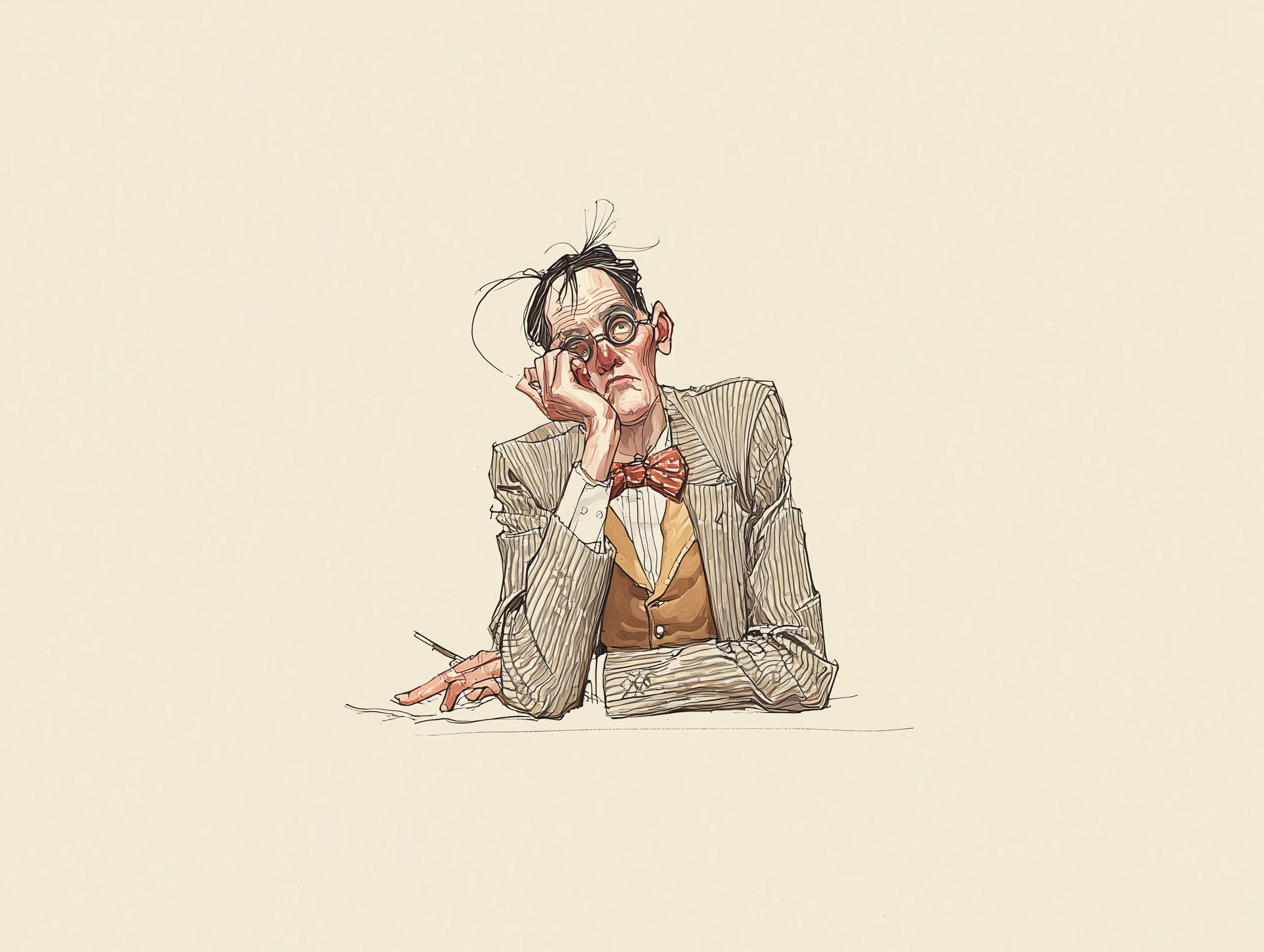
There is a particular kind of silence that used to exist in the world, and I would like to report it missing.
It lived in the two-minute gap between ordering a coffee and receiving it. It lived in supermarket queues, in the passenger seat of a long drive, in the waiting room at the GP, in the shower, in the three-second pause between pressing the button for the lift and the lift arriving. It is gone now. Every one of those silences has been surveyed, zoned, subdivided and sold to a developer, and the developer is Meta, or Google, or ByteDance, or whichever of them got to the zoning board first, and the tenant is a ninety-second video of a man deep-frying a Toblerone.
This was not a natural process. Silences do not spontaneously fill with Toblerones. Someone had to do it. Someone had to decide that the pause was a market failure, that the gap was inventory, that the three seconds you spent waiting for the lift were unmonetised and therefore an affront. I would like, in the next thousand words, to itemise the damage and, eventually, to name them.
Let me itemise what was taken, for the purposes of the file. The queue at the post office. The minute at the traffic lights. The bit in the shower after the shampoo and before the conditioner. The walk down the driveway to the bin. The thirty seconds you used to spend looking out a train window. The forty seconds you used to spend looking at your own ceiling. The four seconds between setting the pressure cooker and realising you had nothing to do for the next forty minutes, which used to be a complete thought and is now a low-grade panic attack.
The perpetrators were not, in a strict technical sense, thieves. Thieves break in. Thieves leave evidence. These men applied for a permit. They filed paperwork. They had a lawyer explain to a man in Congress that the pause between stimuli was a market failure, that the three seconds you spent waiting for the lift were inventory, that an unmonetised second of human attention was, in fact, an insult to the shareholders. The man in Congress nodded. The permit was issued. The bulldozers arrived in 2011, or thereabouts, disguised as an iPhone.
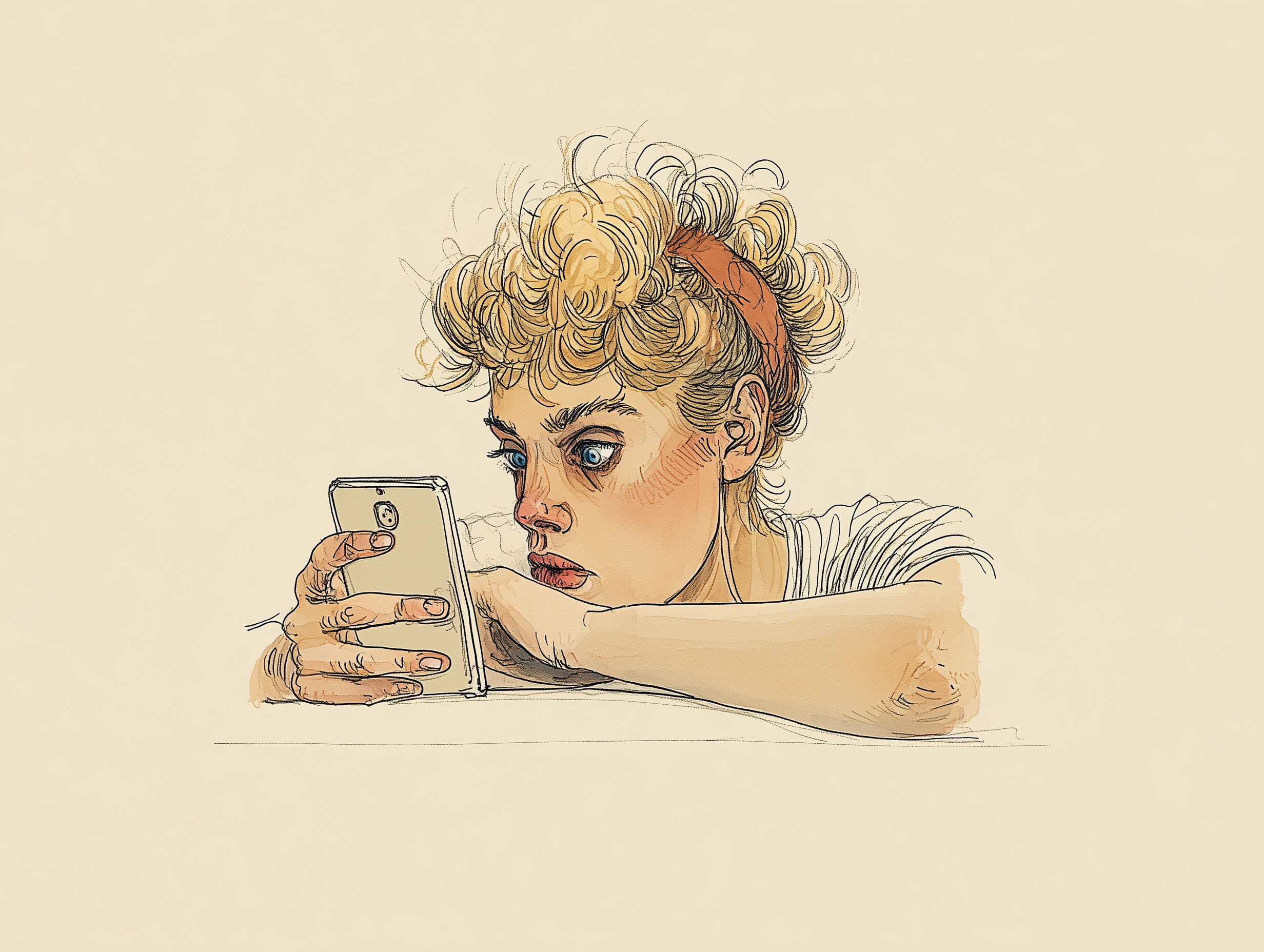
Their names are on a list somewhere, but the names are the least interesting thing about them. They are interchangeable. They rotate. One goes to Meta, the next goes to OpenAI, a third sells everything and buys a ranch in Montana and calls it retirement, though in reality he is still on four boards. They wear Patagonia vests because the uniform is required for entry. They speak in a dialect assembled from Stanford business school, a self-help book about habits, and the collected tweets of a man who owns a rocket company. They do not think of themselves as criminals. They think of themselves as founders.
I should, at this point, admit that I am the mark. I was made redundant in March. I had expected, in some remote and theoretical way, that a redundancy would involve a period of rest - that there would be, inside the disorientation and the grief, some pocket of stillness, some hours unclaimed by anybody. There was not. By the first week I had built a personal brand. By the second I was posting and browsing on LinkedIn on a strict Tuesday-to-Thursday cadence. By the third I had ranked nine prospective employers by salary band. By the fourth I had written a two thousand word essay about a fidget toy. I did not rest. I did not know how. A day in which I had not generated something - a post, a pitch, a paragraph, a note, a thought worth capturing - was a day I had failed, and the failure was personal, and the failure was metabolic, and it arrived on time every morning at 3am, uninvited, with a list.
This is, I recognise, a diagnosis. The symptom is the inability to sit in a chair for forty minutes and watch a dashboard go green without reaching for a second screen to watch the dashboard watch itself. The symptom is the inability to queue at the post office without feeling the queue is a kind of theft. The symptom is the inability to experience a Sunday afternoon without narrating it into a piece of content. The symptom is shared, I suspect, by most of the people reading this, and by most of the people who will not, and most especially by the people whose professional responsibility is to notice, in a room full of green dashboards, the one thing that is not quite right.
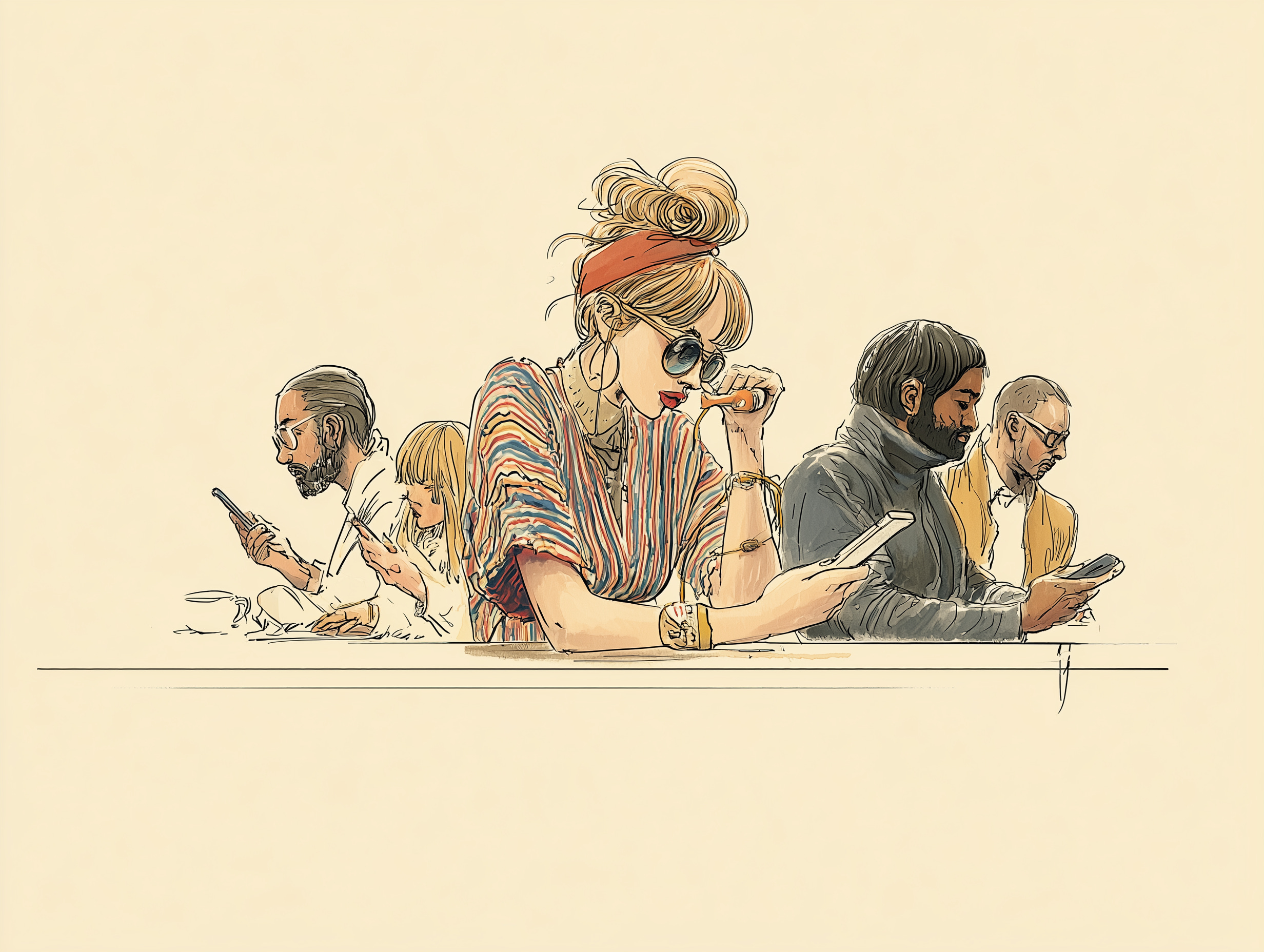
Consider the on-call engineer. Consider the air traffic controller. Consider the anaesthesiologist who spends six hours watching a number on a screen that must not change, whose entire job is the capacity to remain vigilant during the fifth hour and fifty-ninth minute of a shift in which nothing has happened. Consider the sonar technician. Consider the nurse on a night shift in ICU. We have built an economy that requires a class of people to be professionally bored - to sit still, to watch, to notice - and we have issued each of them a phone engineered by the best minds of a generation to ensure they cannot. You cannot ask a human to watch a quiet dashboard for four hours and also hand them a slot machine, and we have done both, at scale, and called it digital transformation.
The case will not be investigated. No charges will be filed. The crime was legal. The crime is, in several jurisdictions, considered a growth sector. The evidence is in my pocket. It is in the anaesthesiologist's pocket. It is in the on-call engineer's pocket. I checked mine while writing the previous sentence. I will check it when I finish this one.
I will check it, I suspect, during the pause between you reading this paragraph and deciding whether the piece was any good.